
When global tensions rise, financial anxiety usually rises with them. News alerts get louder, markets get shakier, and suddenly people start asking the same question: what should you do with your money during geopolitical tension? It is a smart question, and more importantly, it is one worth answering with a calm strategy instead of panic.
At Atlas Capitol, we believe the best financial decisions are usually made with a clear head, a long-term mindset, and a plan built on real fundamentals. That matters even more during uncertain periods. Whether the tension comes from war, trade disputes, sanctions, supply chain breakdowns, cyber threats, or broader instability between major nations, these events can affect markets, inflation, consumer confidence, and investment sentiment. In other words, geopolitical tension can reach your wallet even if the conflict is happening far from home.
That is why understanding how to protect your finances during geopolitical tension is not just for professional investors or economists. It matters for everyday households, long-term investors, side hustlers, retirees, and anyone trying to build wealth without getting blindsided by global uncertainty.
The good news is that financial protection during unstable times does not always require dramatic action. In fact, going full doomsday mode usually causes more damage than the headline itself. You do not need to sell everything, hide in cash forever, or start acting like canned beans are your new retirement account. What you do need is structure.
In many cases, the smartest approach is to strengthen your foundation, improve liquidity, reduce bad debt, stay diversified, and remain disciplined with your investments. That is the real answer to how to protect your finances during geopolitical tension. Not panic. Not predictions. Preparation.
Table of Contents
1. Start With Your Financial Foundation

Before worrying about what the stock market might do next week, look at your own financial base. The first step in learning how to protect your finances during geopolitical tension is making sure your household can handle uncertainty.
Ask yourself a few simple questions. Do you have emergency savings? Do you have too much high-interest debt? Are your monthly expenses under control? Could you handle an income disruption, unexpected bill, or jump in living costs?
If the answer is “not really,” then that becomes the priority.
During geopolitical tension, inflation pressures can rise, fuel and food prices can become more volatile, and businesses may slow hiring or spending. A strong personal financial base helps you absorb those shocks without making desperate moves. This is why emergency savings matter so much. A well-funded emergency reserve can help you avoid selling investments at bad times or relying on expensive debt.
At Atlas Capitol, we often view an emergency fund as the first layer of defense. Before chasing returns, protect your stability.
2. Build or Strengthen Your Emergency Fund and Cash Reserve
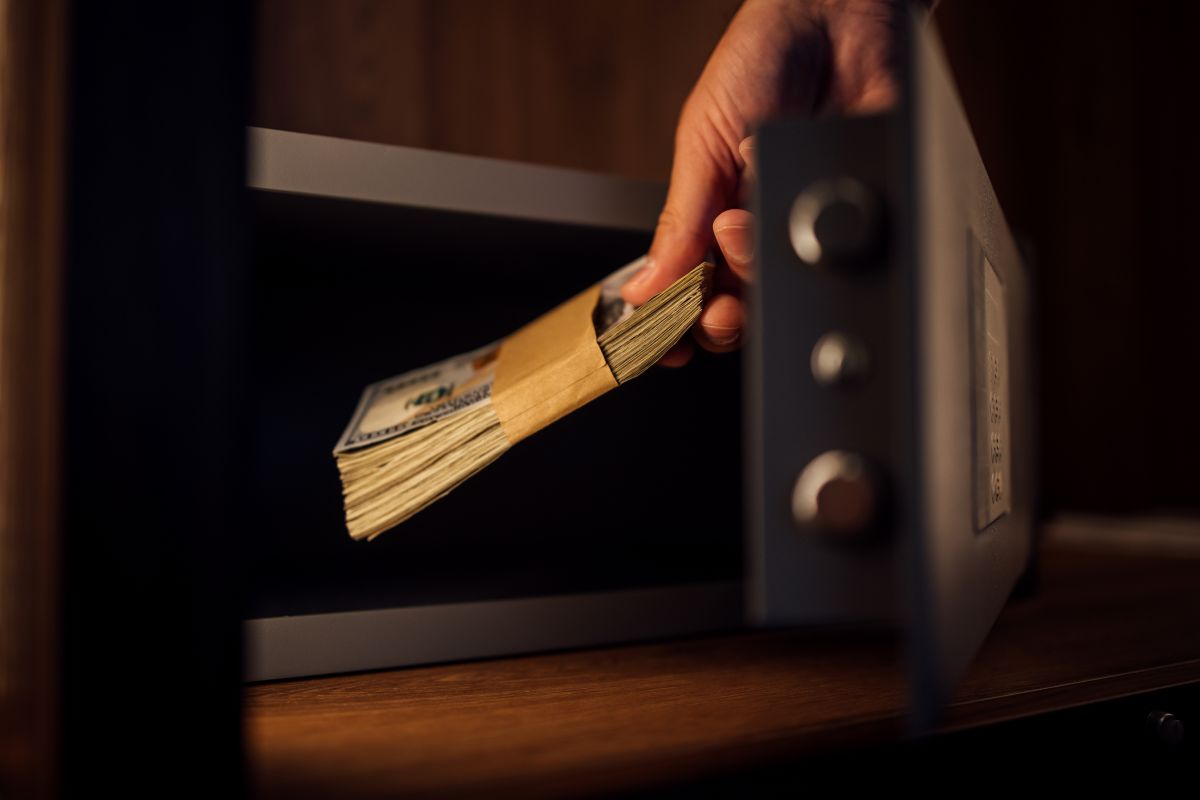
One of the clearest answers to what should you do with your money during geopolitical tension is this: strengthen your emergency fund and maintain a healthy cash reserve.
Cash may not always feel exciting, but uncertainty tends to make boring look beautiful. Having 3 to 6 months of essential expenses saved can give you flexibility, confidence, and breathing room. In some cases, people may even prefer to hold more depending on job risk, business exposure, or family responsibilities.
Beyond a standard emergency fund, keeping an additional cash reserve can also be a smart move during uncertain periods. A cash reserve gives you added liquidity for unexpected expenses, temporary disruptions, or even opportunities that may come from market volatility. It can help you avoid selling investments at the wrong time and reduce the need to rely on high-interest debt when the unexpected happens.
This is not about trying to time the world. It is about making sure your money is available when you need it.
A good place for emergency funds and cash reserves is typically a liquid and lower-risk account, such as a high-yield savings account or a cash management account. The goal is not maximum return. The goal is access, safety, and some yield without locking your money away.
Use our Savings Calculator to estimate how much emergency savings you may need.
3. Review Your Portfolio, But Do Not Panic-Sell
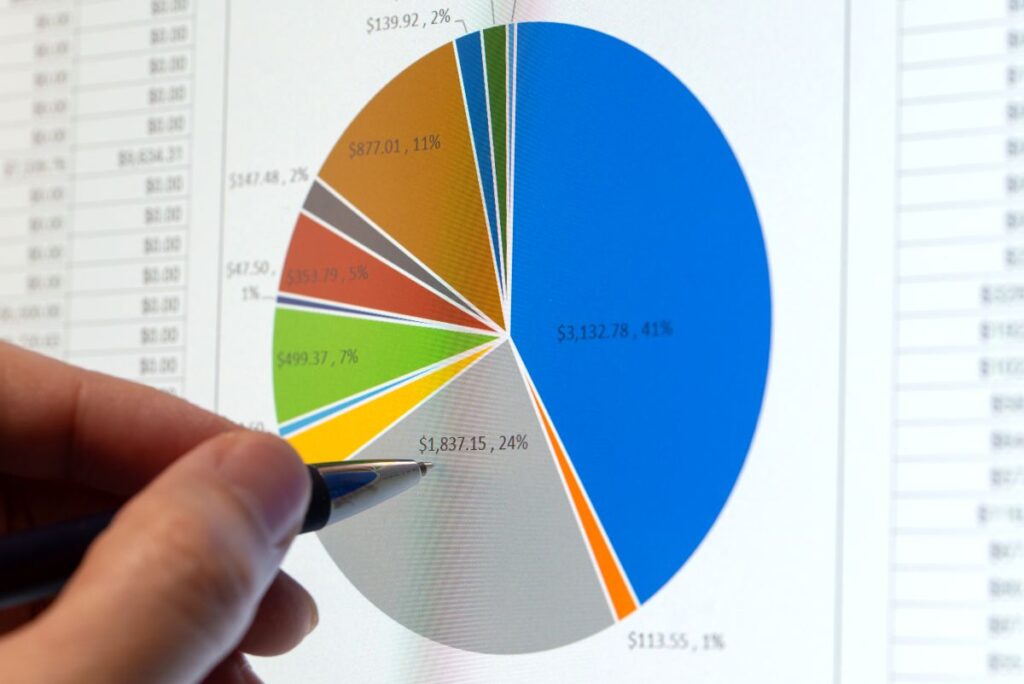
When markets turn red and headlines start sounding like a movie trailer for the end of civilization, many investors make one of the most expensive mistakes possible: they panic-sell good assets.
A core part of how to protect your finances during geopolitical tension is knowing the difference between risk management and emotional reaction. Those are not the same thing.
If you own strong businesses, diversified funds, or long-term investments built around a real plan, a drop caused by short-term fear does not automatically mean you should sell. Markets often react quickly to geopolitical developments, but they can also recover faster than expected. Selling in fear can lock in losses and leave you chasing back in later at worse prices.
Instead of reacting immediately, ask:
- Has the reason I bought this investment changed?
- Is this a long-term problem or a temporary fear event?
- Am I acting on facts or emotion?
That pause matters. One of the best ways to protect long-term wealth is to avoid making short-term panic decisions.
4. Diversification Matters More During Uncertainty

If you want to understand how to protect your finances during geopolitical tension, diversification should be near the top of the list.
When global instability rises, different asset classes and sectors can react very differently. Energy may move one way, tech another, bonds another, and international markets another. If your financial life is too concentrated in one stock, one sector, one country, or one type of asset, uncertainty can hit harder than it needs to.
Diversification does not eliminate risk, but it can reduce the impact of any one event.
This is a good time to review:
- sector concentration
- speculative positions
- international exposure
- income-producing assets
- cash reserves
- bond or defensive allocation
At Atlas Capitol, we believe diversification is less about being fancy and more about being practical. You are not trying to win every day. You are trying to stay in the game for the long run.
Another major part of how to protect your finances during geopolitical tension has nothing to do with picking the perfect investment. It has to do with reducing financial pressure.
5. Keep Investing, But Be Selective

A lot of people assume uncertainty means they should stop investing altogether. That is not always the best move. In fact, some of the best long-term opportunities are created during fearful markets.
If your cash flow is stable and your emergency fund is in place, continuing to invest can be one of the smartest ways to build wealth over time. This is especially true if you follow a disciplined strategy like dollar-cost averaging.
That is why how to protect your finances during geopolitical tension does not mean hiding from the market forever. It means investing with more intention.
During uncertain periods, many investors may prefer to focus on:
- broad index funds
- high-quality businesses
- dividend-paying companies
- defensive sectors
- companies with strong cash flow and pricing power
The key is not to confuse speculation with strategy. Chasing hype during geopolitical stress can increase risk, not reduce it
Learn more in our guide to dollar-cost averaging and why consistency can matter more than timing.
Start investing with one of our recommended platforms: Stash Beginner Investment App
6. Focus on High-Interest Debt and Monthly Cash Flow
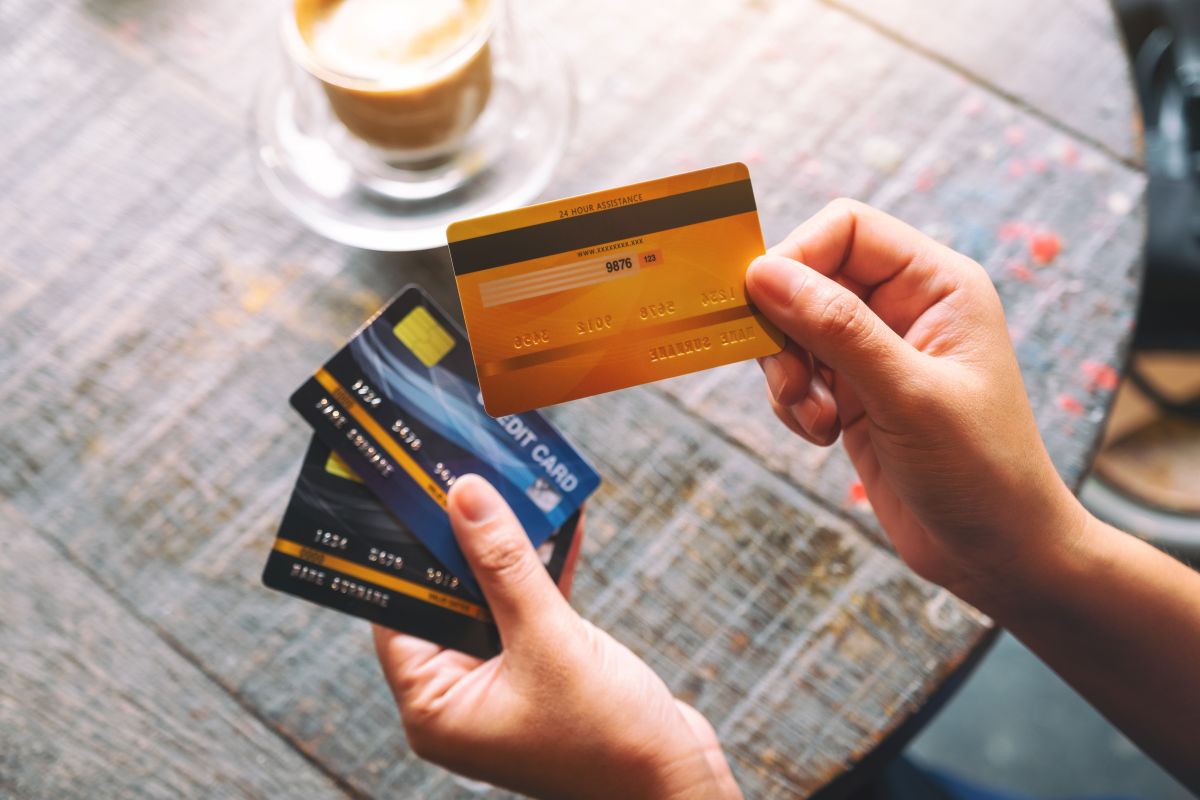
If you are carrying high-interest debt, especially credit card debt, uncertainty makes that burden heavier. Rising prices, unstable markets, and economic slowdowns can all hurt flexibility. High-interest debt limits your options and weakens your ability to respond when conditions change.
Paying down toxic debt can be one of the best guaranteed returns available. Unlike trying to outguess the market, reducing 20% interest debt is a very real win.
This is also a great time to review your monthly spending. Tightening unnecessary expenses does not mean living in fear. It means creating margin. Margin gives you room to breathe, save, invest, and handle surprises without scrambling.
Sometimes the most powerful financial moves are not glamorous. They are just effective.
7. Maintain Liquidity and Avoid Overcommitting

Liquidity becomes more valuable during unstable periods. When geopolitical tension rises, access to cash can matter more than squeezing out every last dollar of return.
That does not mean you should move everything into cash. It means you should respect the value of flexibility.
If too much of your money is tied up in illiquid or high-risk assets, you may find yourself stuck when you need options. A strong balance between invested capital and accessible reserves can help you navigate volatility without being forced into bad decisions.
This is especially important for:
- freelancers
- business owners
- commission-based earners
- households with variable income
- investors with large speculative exposure
Financial resilience is not just about how much money you have. It is about how much control you have over your situation.
8. Protect Your Mind From News Overload

This may be one of the most underrated financial tips in the entire article.
If you are serious about how to protect your finances during geopolitical tension, protect your decision-making process too.
Too much constant news can destroy discipline. Every hour there is a new alert, a new rumor, a new dramatic prediction, and a new reason someone online thinks the financial world is ending by Friday. That kind of environment pushes people into reactive decisions.
Stay informed, but do not let news overload become your investment strategy.
A better approach is to check reliable updates, review your goals, and only make changes when they connect to your actual financial plan. Emotional investing tends to be expensive. Calm investing tends to age better.
At Atlas Capitol, we believe information is useful, but discipline is what gives it value.
9. Consider Defensive Moves Without Going All-In

During geopolitical stress, some investors begin shifting part of their capital toward more defensive areas such as cash, short-term Treasuries, dividend payers, or other lower-volatility assets. That can be reasonable depending on the person and the situation.
But there is a difference between thoughtful protection and fear-based overcorrection.
If you move everything into one defensive asset after a major market drop, you may simply be trading one risk for another. Cash can lose purchasing power over time. Defensive assets can underperform if markets recover fast. Going all-in on any one move is rarely the same as being well-positioned.
The goal is balance, not perfection.
That is the heart of how to protect your finances during geopolitical tension. Not predicting every twist in the headlines, but building a financial life that can handle uncertainty without falling apart.
Final Thoughts: What Should You Do With Your Money During Geopolitical Tension?
So, what should you do with your money during geopolitical tension?
At Atlas Capitol, our answer is simple: strengthen your foundation, stay disciplined, and focus on resilience.
If you want to know how to protect your finances during geopolitical tension, start by building emergency savings, reviewing your debt, protecting cash flow, and staying diversified. Avoid panic-selling. Keep investing if your situation allows. Be selective, not reckless. Reduce unnecessary financial pressure. And do not let fear-driven headlines rewrite a good long-term plan.
Geopolitical tension can absolutely affect markets and personal finance, but uncertainty does not have to control your decisions. A strong financial plan is built for imperfect conditions. That is the whole point.
Smart money is not always money that reacts the fastest. Often, it is money guided by patience, structure, and clarity.
If your financial foundation is solid, you do not have to respond to every world event with panic. You can respond with purpose.
And in times like these, that may be one of the most valuable assets of all.
Disclaimer
The information provided on this website is for educational and informational purposes only and should not be considered financial, investment, legal, or professional advice. Cryptocurrency, blockchain technologies, and financial markets are inherently volatile and carry significant risks of loss. Past performance does not guarantee future results, and any decisions based on the information presented are made at your own discretion and risk.
This website may include affiliate links, which means we may earn a commission if you choose to use these links to make a purchase or sign up for services. These commissions come at no additional cost to you and help support the content we create. However, we only recommend platforms and services that we believe are reputable and beneficial to our readers.
Always conduct your own research (DYOR) and consult with qualified professionals before making any financial, legal, or investment decisions. The content provided is intended as a resource, not as definitive advice.